Abstract
Overview
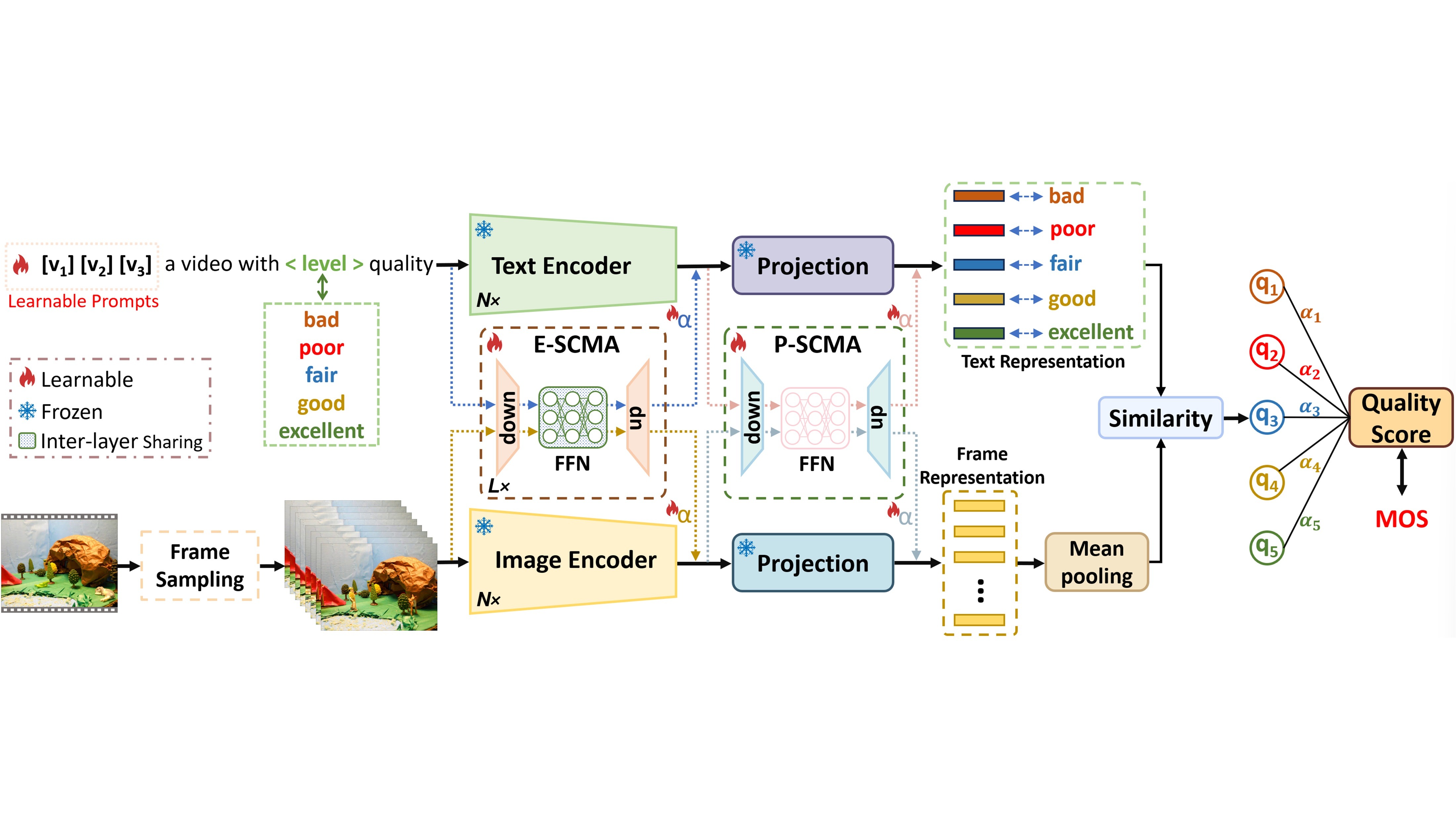
Q-CLIP is a vision-language framework for video quality assessment that preserves the broad semantic knowledge of pretrained encoders while adapting them efficiently to visual quality. It introduces shared cross-modal adapters for both image and text branches, learnable quality-level prompts, and frame-difference-guided sampling. The resulting model trains only a small fraction of its parameters and achieves strong performance across in-domain and cross-dataset VQA benchmarks.
01 · Figure
Q-CLIP turns video quality assessment into cross-modal quality matching, adapting frozen vision-language encoders with a compact Shared Cross-Modal Adapter and learnable quality prompts.
02 · Figure
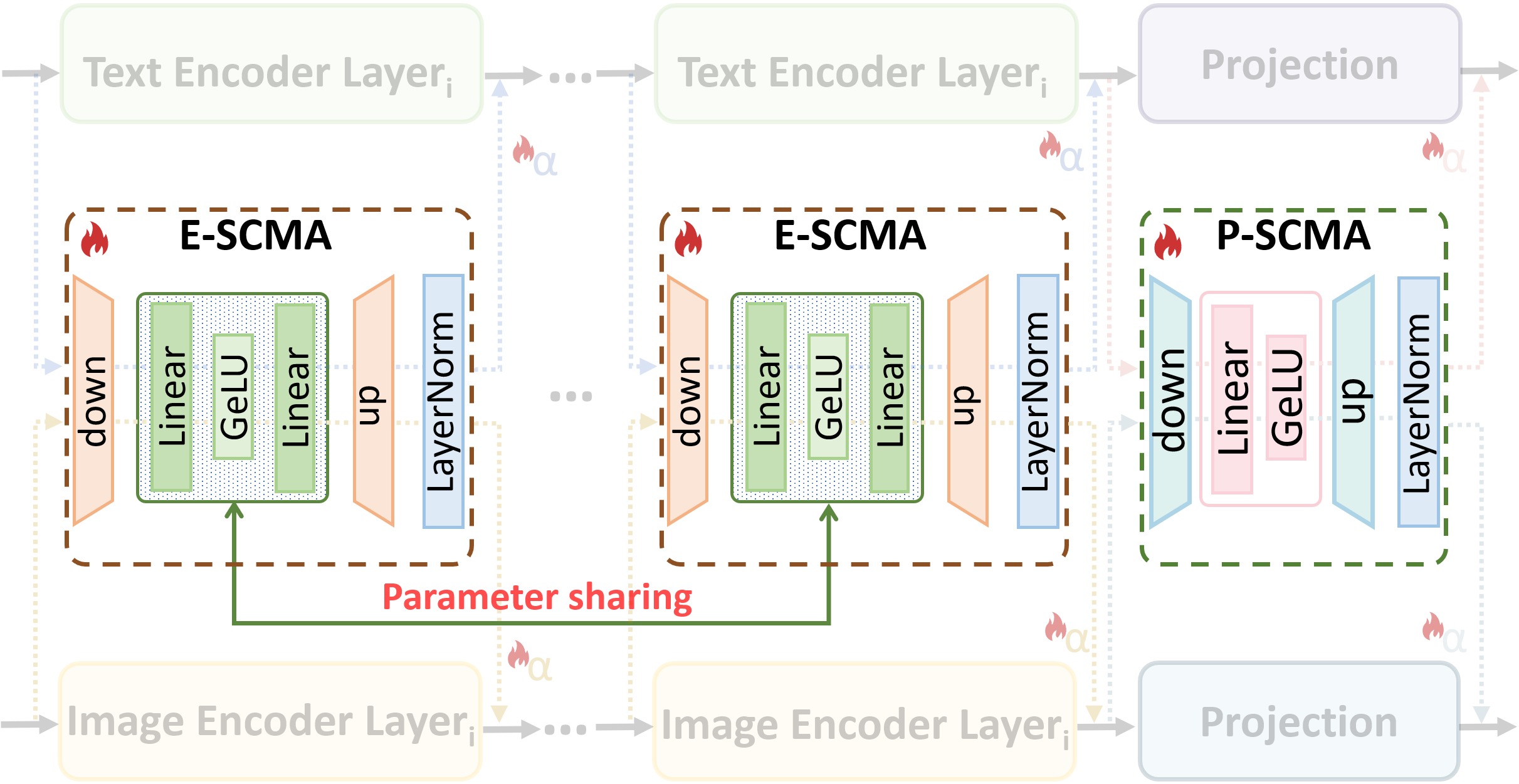
Shared Cross-Modal Adaptation
03 · Figure
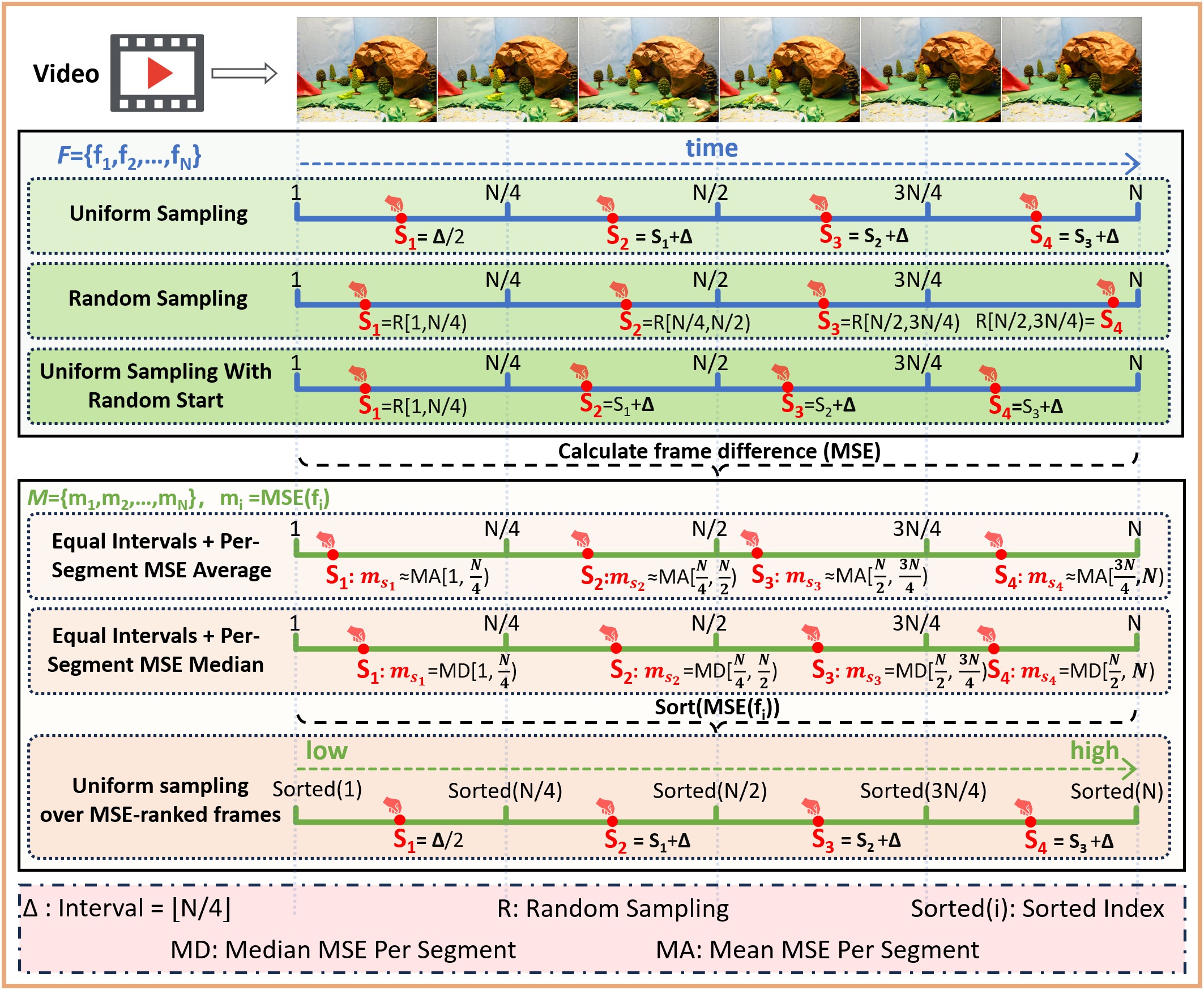
Quality-Aware Frame Sampling
04 · Figure
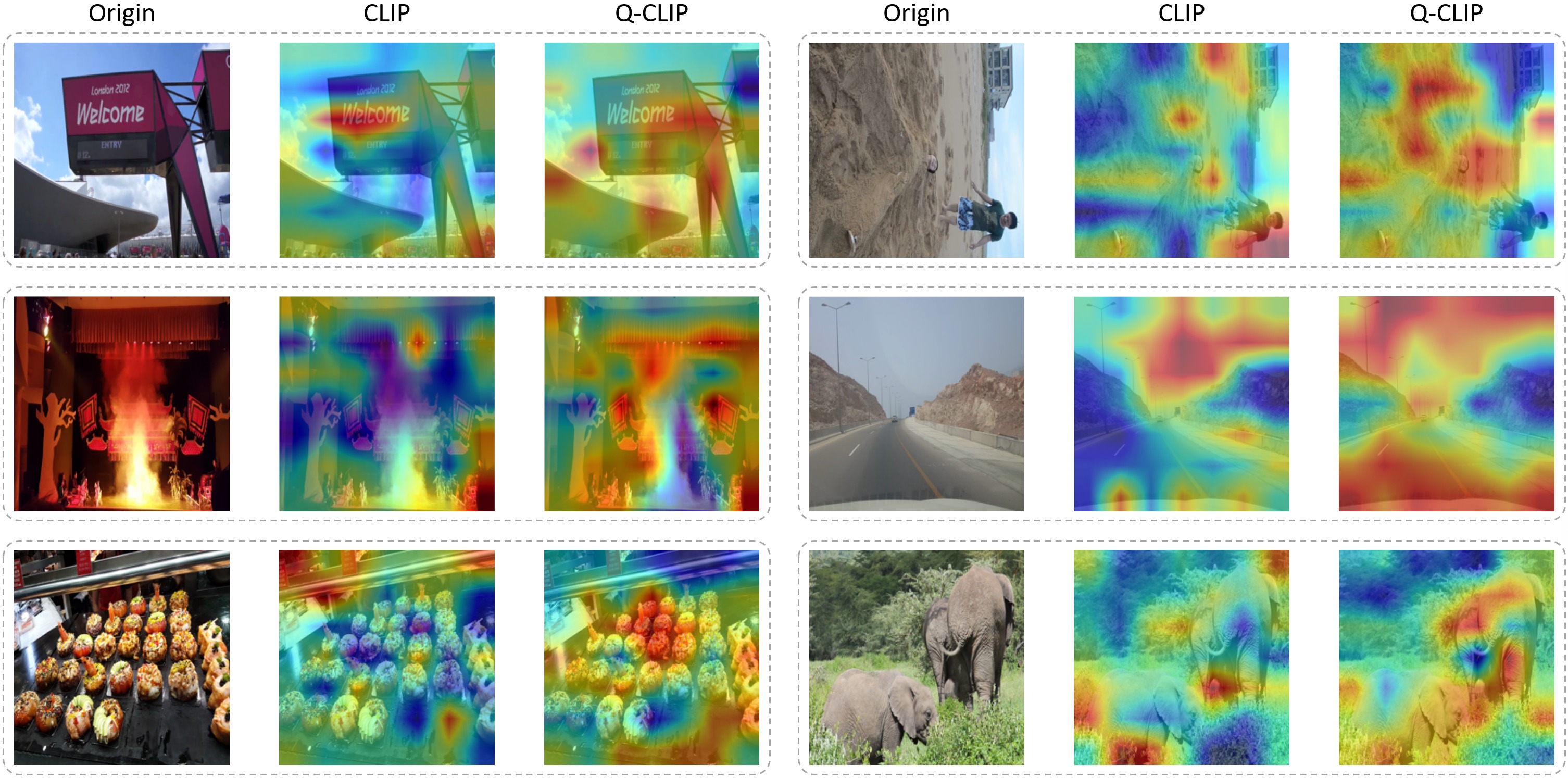
What the Model Sees
Citation
BibTeX
@inproceedings{mi2026qclip,
  title={{Q-CLIP}: Unleashing the Power of Vision-Language Models for Video Quality Assessment through Unified Cross-Modal Adaptation},
  author={Mi, Yachun and Li, Yu and Li, Yanting and Hui, Chen and Zhang, Tong and Li, Zhixuan and Song, Chenyue and Lim, Wei Yang Bryan and Liu, Shaohui},
  booktitle={International Conference on Machine Learning},
  year={2026}
}