Abstract
Overview
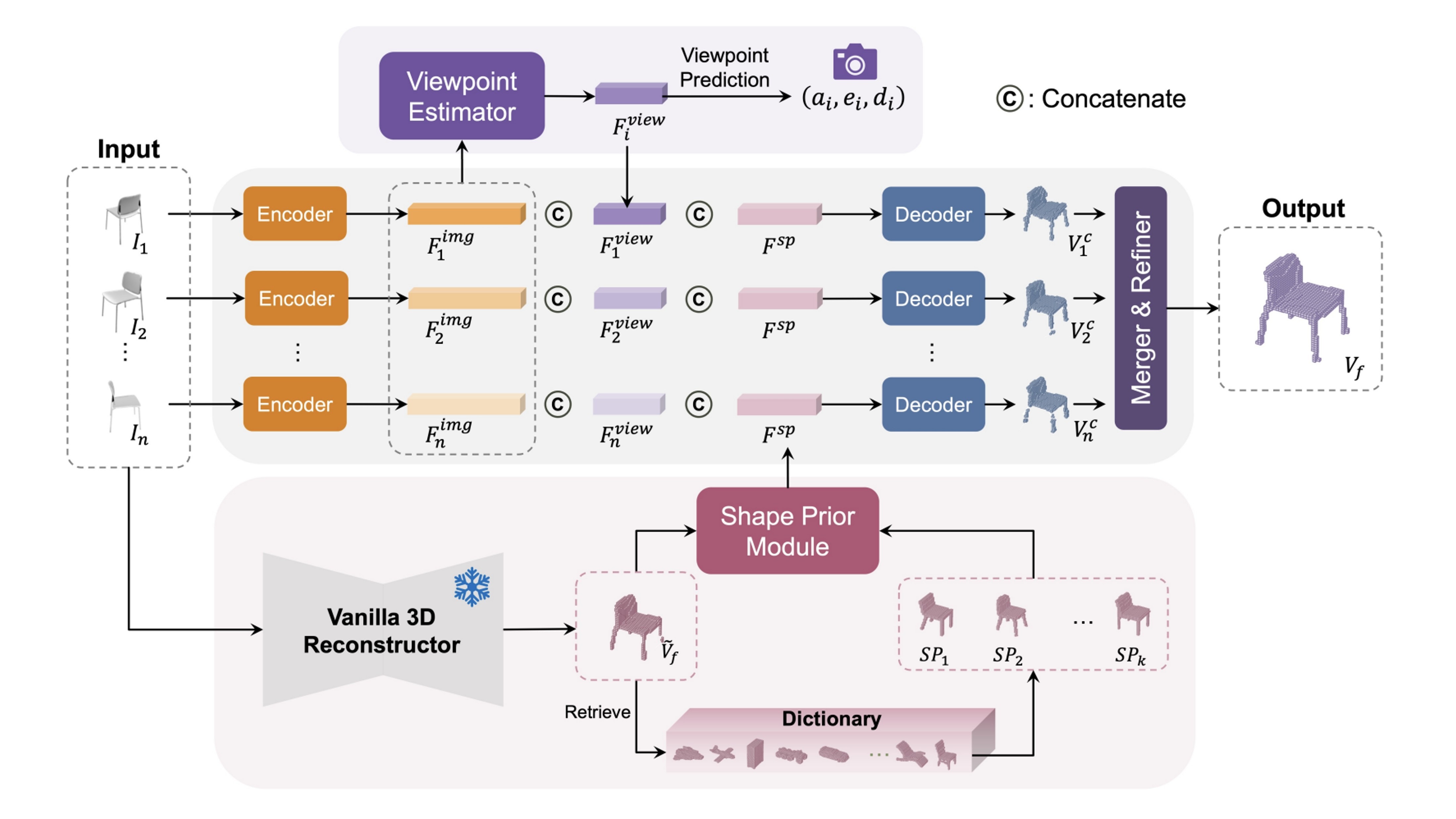
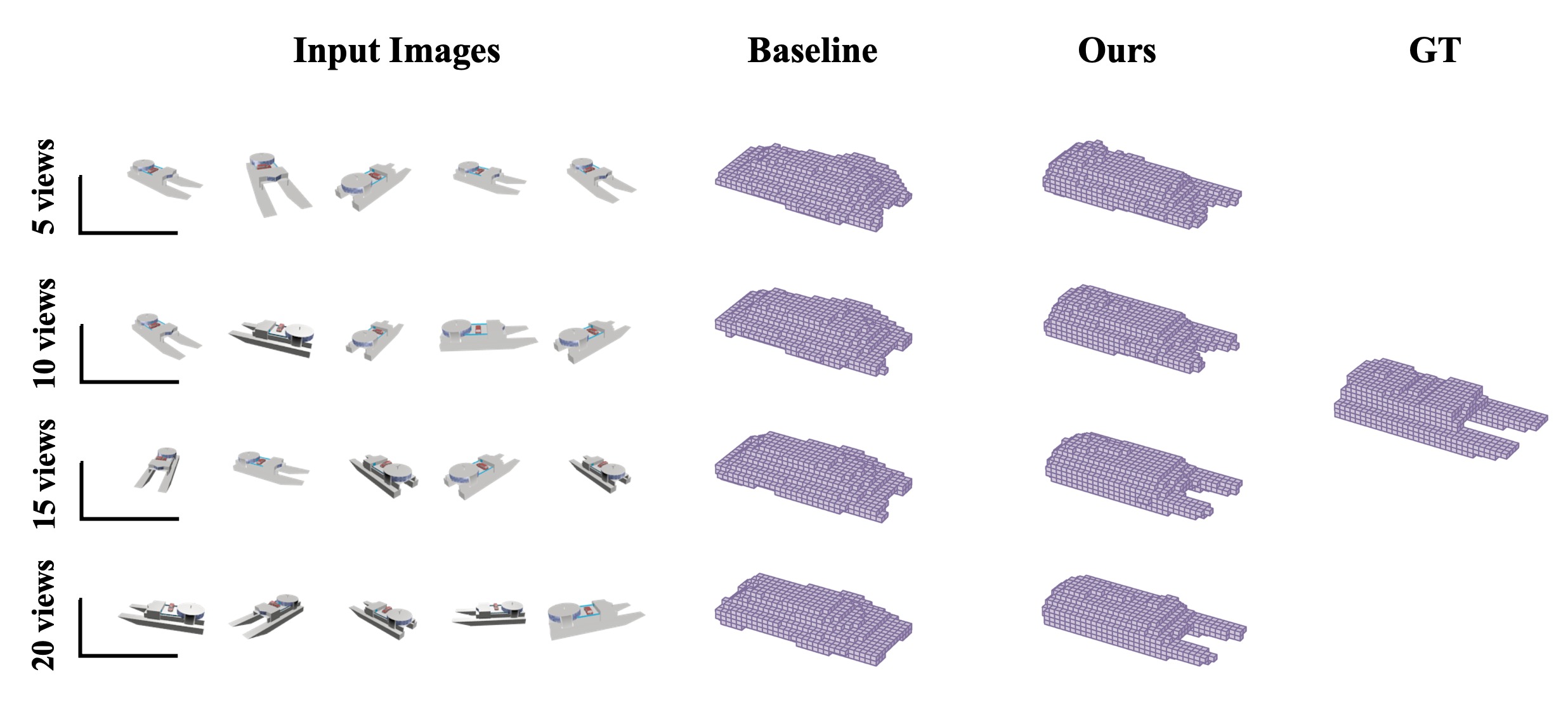
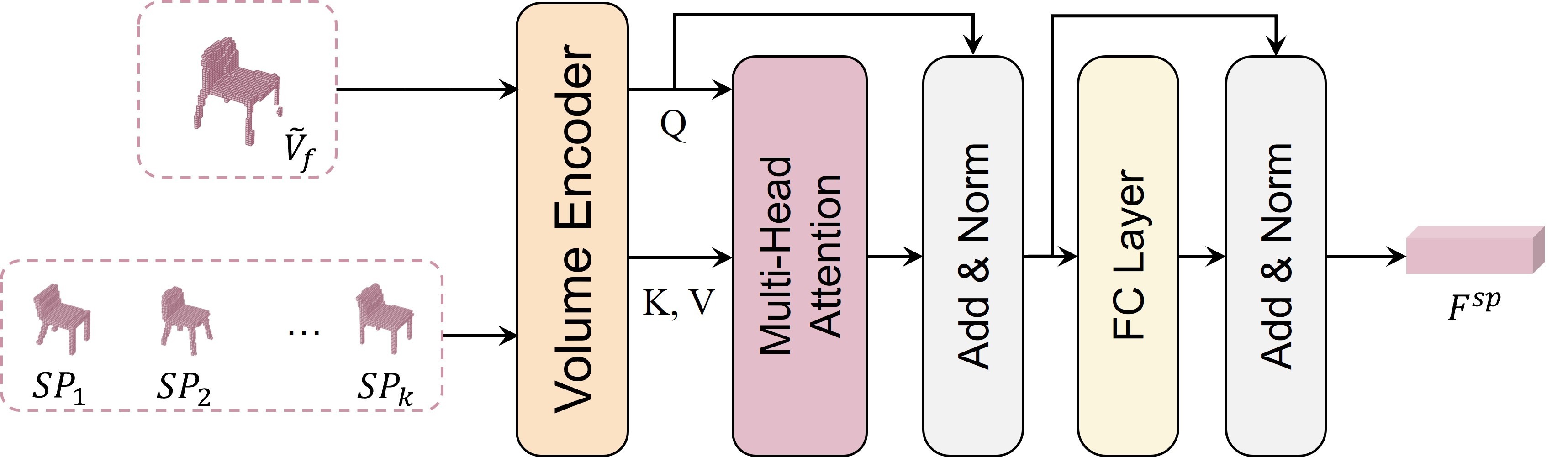
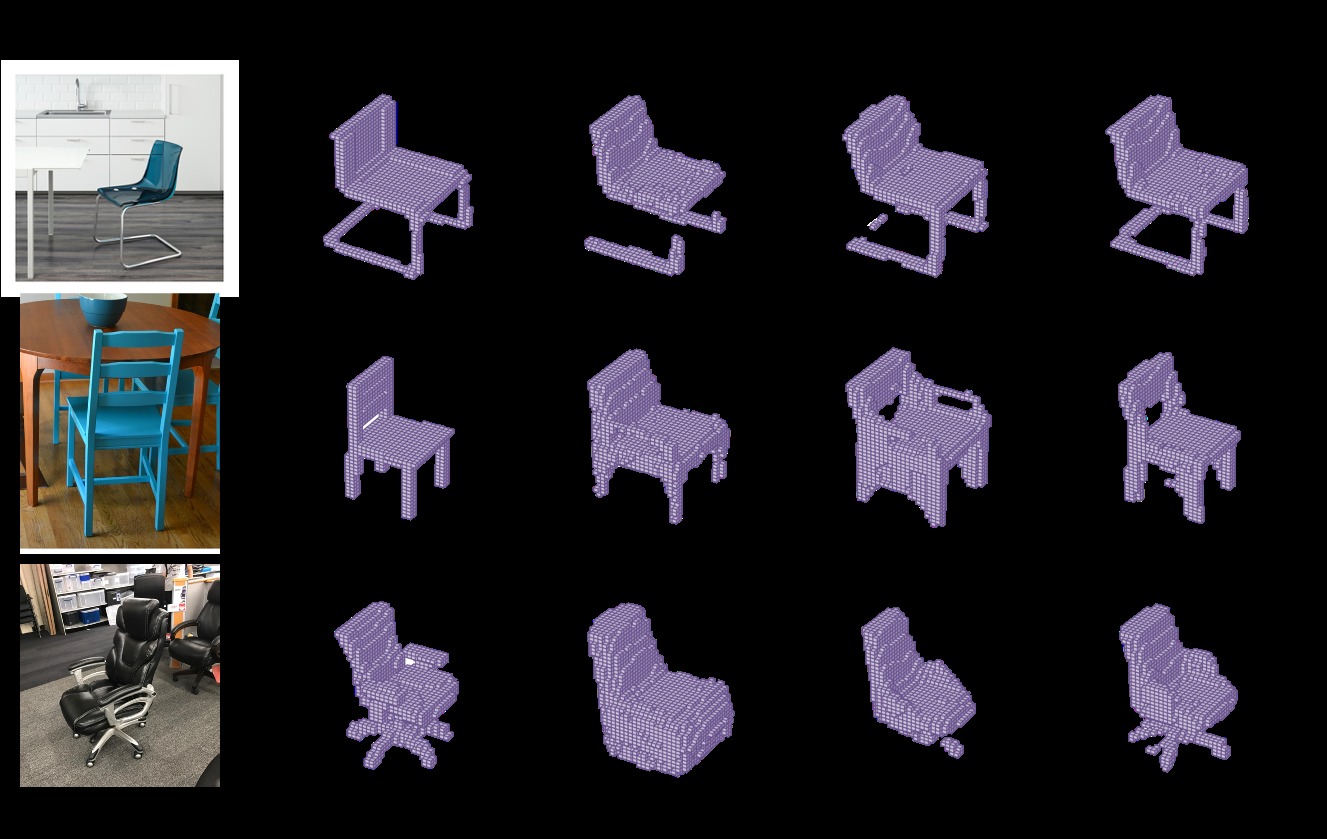
Existing multi-view reconstruction methods often fuse image features without explicitly using camera viewpoint, making it difficult to associate corresponding object parts. VIPNet introduces a viewpoint estimator that provides geometric context to each view and a shape-prior module that retrieves category knowledge when only a few observations are available. The resulting network reconstructs high-quality 3D point clouds in a single forward pass and generalizes to real-world images.
01 · Figure
VIPNet explicitly estimates camera viewpoints to associate features across views and retrieves shape priors to compensate for sparse observations, enabling fast and accurate 3D reconstruction.
02 · Figure
Why Viewpoint Matters
03 · Figure
Shape-Prior Retrieval
04 · Figure
Real-World Generalization
Citation
BibTeX
@inproceedings{ye2024vipnet,
  title={{VIPNet}: Combining Viewpoint Information and Shape Priors for Instant Multi-view 3D Reconstruction},
  author={Ye, Weining and Li, Zhixuan and Jiang, Tingting},
  booktitle={Proceedings of the Asian Conference on Computer Vision},
  pages={3379--3395},
  year={2024}
}